Preparing for the AI “Counter-Disruption”
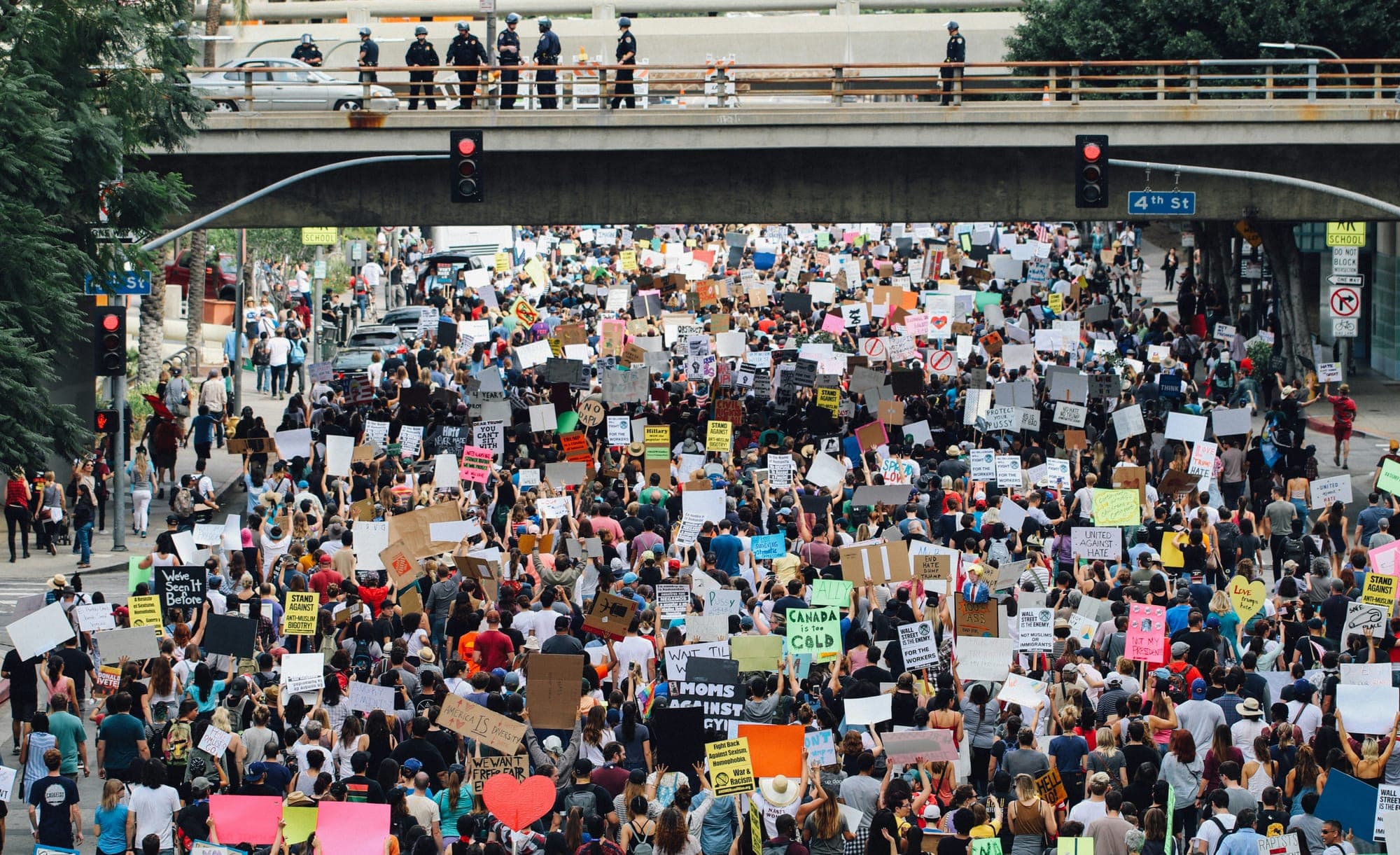
AI feels like an unstoppable wave for marketers. But what happens if the simmering consumer backlash becomes a major force, and brands have to react? How should leaders prepare?
If I was writing about marketing disruption 3-4 years ago, “disruption” would have been synonymous with COVID-19 and its after effects such as remote work, remote learning, and so on. Likewise, writing about marketing disruption right now it’s hard to talk about much else beyond AI. For the better part of the last two years, and for the foreseeable future, AI and its ramifications will likely be the dominant disruptor of our field.
It’s undeniable that the wave is real, with report after report surfacing about adoption of the tech in almost every facet of marketing, advertising, and the creative space. Marketing leaders are racing to adopt AI to drive efficiency, personalization, speed, and scale from content production to go-to-market efforts. You can’t find a marketing job posting, from CMO on down, that doesn’t stress the need for AI familiarity if not fluency. I even created a newsletter and content site to share my own explorations, so I am by no means immune.
But what if the backlash against AI, already simmering just beneath the surface, grows into something more substantial? What if consumers revolt against AI “slop”, invasive personalization, and brands that feel “fake” an in-human? What should marketers leaders do to prepare, to adapt, to weather this kind of “counter-disruption?”
To be clear, I’m not tossing down my AI tools and picking up the Luddite banner just yet. But part of developing disruption fluency is enhancing your sensing skills and being prepared to adapt to wherever the disruption is coming from, so it’s a topic worth exploring.
The AI backlash signals are already here
And they are hard to miss. The Dead Internet Theory pre-dates modern GenAI, but is gaining new life as AI-fueled content and agents proliferate. It suggests that the human-created Internet of old is rapidly being displaced by bots talking to bots, computers creating content to be read by other computers, and a general de-humanization of the Web (in part that’s why I consider this site as almost old-school…just a human writing for human consumption, wild).
Consumer trust in brands who lean too heavily into AI-generated content is rapidly eroding. 87% of consumers believe it’s important for brand images to be “authentic” and not obviously AI generated, and 76% agree ‘It's getting to the point where I can't tell if an image is real.’ And per Sprout Social, “55% of consumers say they’re more likely to trust brands that are committed to publishing content created by humans v. AI. That number increases to 62% for Millennials.”
The uncanny valley of AI content remains real and unsettling, despite the increasing realism of the latest generation of Gen AI platforms. And consumer privacy concerns around overly intrusive personalization (the “Personalization-Privacy Paradox”) driven by AI can’t be ignored; they are likely to get worse as AI adoption accelerates throughout the MarTech stack.
The recent and largely negative reaction to the recent Coca-Cola AI-generated holiday TV spot has been a fascinated case in point, though while industry reaction has been to break out the pitchforks I’m not clear yet if consumers really cared.

On the other side of the equation, there are ongoing concerns about the impact future regulation may have on marketing AI use. In the US the debate is being driven by a state vs federal regulatory debate, but lingering copyright and IP concerns could re-surface at any time, and there are very valid concerns about AI-driven algorithmic bias in use cases like segmentation and targeting.
Why does this matter for marketers?
If the backlash takes root and significantly shifts consumer sentiment and preferences, the old idea old of “Authentic Brands” may become even more important than effort. Authenticity previously focused on transparency and trust. In an AI Counter-Disruption it would likely focus on authentic human-made content, advertising, and experiences.
Just as “organic” and “handcrafted” became premium brand differentiators in years past, we may see “100% human-made” become an effective counter-positioning in response to a saturation of AI-generated marketing and advertising. Brands that leans too hard into AI - and most CMO’s will attest that the pressure from their CEO’s, Boards, and CFO’s to rapidly adopt AI is massive - risk becoming devalued as inauthentic AI-slop fueled commodities.
Will “made by humans” become the new “certified organic”?
The risk of consumer trust erosion is equally real. The Coca-Cola commercial at least was transparent (“Created by Real Magic AI”), but far too often that level of transparency around AI doesn’t exist today. And AI gaffs remain a serious risk for marketers (or even major consultancies, hello Deloitte), given the ongoing problem of platform hallucinations and the tendency for some folks to shortcut the human validation steps of the process. Those can accrue over time to generate real brand risk, loss of trust, and accusations of inauthenticity.
What can and should marketing leaders do about it?
Falling back on the concept of disruption fluency, that model suggests four things marketers should be doing to address the risk of AI backlash. Again, it’s not about rejecting AI, it’s about managing the unique tensions between the promise of AI and the very human reactions to excess.
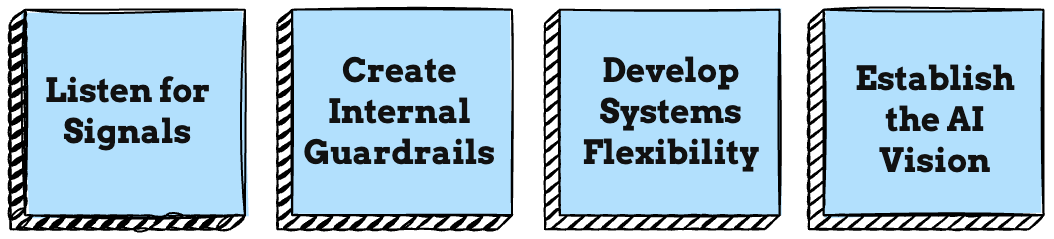
- Listen for the Signals: Establish your organizational “sensing” capabilities to intentionally watch for the signs among your consumers and other stakeholders in your market. Set up your listening and monitoring tools. Align your PR and Product Marketers, enlist your field teams, keep close ears to the ground. Just as importantly, closely watch your competition or other key reference brands for any AI stumbles they may make and what the external reaction is, so you can factor that into your own response plans.
- Create Internal Guardrails: Establish today your AI usage and transparency principles, don’t wait for a well-intentioned experiment run-wild to blow up in your face, and try to crisis comms your way through it after the fact. When and how will your teams use AI in creative and content production? Where will the human check and validation points be (and insist those exist). What is your AI transparency policy and is that visible to consumers? As new use cases inevitably arise, set up an AI Brand Ethics review process to determine how, when, or if they should be adopted and what disclosure needs to be to maintain brand authenticity.
- Develop Systems Flexibility: Implement the “human-in-the-loop” steps into all your production processes, workflows, and approval steps. Proactively develop fallback workflows and models that don’t use AI, in the event they are needed, so you’re not left scrambling. Create internal escalation protocols for when/if your brand experiences a public “AI failure” like a hallucination or severe uncanny valley moment that gets called out. Encourage experimentation, but document and audit all uses of AI across your marketing engine so you can both keep controls in place and rapidly rollback or adapt in the event of a problem. Establish both transparency and common vision for AI use with your agencies.
- Proactively Establish the AI Vision: Get out in front of creating a shared vision for ethical and appropriate use of AI in your brand’s marketing efforts, and where and how human creativity, voice, and oversight must always remains paramount to your brand experience and internal team culture. Model those behaviors to your team as a leader. Wherever possible, celebrate human creativity both among your team and your customers and partners as a signal of your vision.
How bad could it get?
Great question, and I have no more idea than you do. The best way to look at it is with a low - medium - high backlash perspective.
- Low: AI acceptance grows alongside its capabilities. Regulation remains manageable. “Made by humans” becomes a valid differentiator but still relatively niche. Your focus is on transparency, accountability, but continue your AI experimentation and adoption efforts.
- Medium: The revolt picks up steam, at least in some consumer and market segments. Big brands experience major and highly visible AI fails. “Made by humans” starts to gain widespread adoption, and starts to become table stakes for many brands who still value authenticity. Privacy concerns explode, and regulation increases. Start planning for AI rollbacks, radical transparency.
- High: Everything hits the fan. The AI backlash becomes mainstream, the great datacenter investment bet implodes and the tech sector starts some serious soul-searching. “AI-free” becomes a true and necessary brand differentiator, no longer table-stakes but survival-stakes. The government starts to weigh in heavily. Accelerate radical systems and AI process rollbacks, and generally get out in front to the extent you can.
We’re in a wild time right now. Possibly one of the most radical disruptions marketing as a profession has experienced in decades, if not ever. As much as the pressure is on, and it’s immense, for CMO’s and other leaders to show proactive embrace of AI and all the efficiency savings it promises, it would be leadership malpractice to not also prepare for a possible AI Counter-Disruption. I'd love to hear your thoughts on this over on LinkedIn, or feel free to drop me at email.