
The Last Mile of Marketing AI
AI is remarkable at getting projects from 0-to-90% quickly, but the final 10%, the “last mile,” is where the real and inherently human work resides.
(This post continues my previous exploration of the role of human marketers in a world of AI-fueled productivity hype.)
Anyone using the latest generation of AI tools has probably experienced this: Come up with an idea, toss it into Claude or ChatGPT, and out pops something that on the surface looks remarkable. A surprisingly decent white paper, an actually functional website or app, a marketing plan or research report that seems to largely hit the mark.
The distance from "I have an idea" to "this thing is actually pretty good" has collapsed in a way that genuinely changes what one person can do in an afternoon.
That first 90% of the work is real. It's faster than anything we've ever had. Use it enough and you'll have moments where it even feels magical.
It's also where a lot of AI-driven marketing work quietly goes to die.
Because here's what I think many of us in marketing are starting to see more and more: decks, briefs, campaign concepts, landing page drafts, analyses, internal tools, dashboards, even whole product concepts getting generated by AI, sitting at 90% done, and never actually shipping. They pile up on shared drives, clutter up Notion, sit in half-built Figma files. Good enough to be impressive in a meeting. Not quite good enough to put in front of a customer or formally launched internally.
The marketer's who look at the 90% completed, AI-created output and say "yeah, what the hell, this is fine" are the ones responsible for the vast majority of AI slop that's making all of marketing look bad.
For the marketers who care about quality, brand reputation, and effective work: That gap from 90% to done, where AI-fueled productivity promise putters out, is the last mile of AI. It's where most of the actual work still lives, and it's the part we're all collectively underestimating.
The First 90% is AI's Sweet Spot
I want to clarify something. AI is legitimately useful, and often fantastically so, at getting ideas, content, and plans most of the way there, and probably faster than you ever thought possible. If you keep this 90/10 idea in mind, AI can be genuinely helpful and one hell of a productivity boost.
Think about a first-draft brief your favorite GPT churned out. A rough competitive landscape analysis spun up in Perplexity. A strategy concept you want to toss out for your team to react to. A prototype dashboard or tool for internal use. A text-analysis and synthesis of twenty customer interviews. These are actual time savers, and for internal and exploratory work, 90% is often genuinely good enough.
The Last 10% is Where Humans Shine
Customer-facing work, work where brand authenticity matters and where 100% accuracy is the baseline, is a different bar entirely.
At the 90% mark, AI-created anything can be rife with errors; content can have that uncanny valley feel to it; unique brand voice and tone can be lost in generic slop; prototype code doesn't account for myriad edge cases; seemingly complete strategic plans may be missing genuine context.
The last 10% (the "last mile") is where the difference between "pretty good" and "good enough to ship" lives, and this is where human experts truly earn their keep. That last 10% is arguably the majority of the work by time. Sometimes the overwhelming majority. And because it's hard, slow, and requires significant attention from experienced talent, it's also the part that keeps getting deprioritized in the rush to realize AI productivity gains. Hence the rise in AI slop ("just skip the last 10%, it's good enough"), and also why so much AI output piles up at the 90% and is never put to real use.
Speaking from Experience: EduSignal and Glidespan
I’m a big advocate of “learning by building” when it comes to AI, and for me that means pushing myself to see things through that last mile to actual shippable solutions I am proud of.
For instance, I wanted to see how viable it was to create a “micro-SaaS” product by ingesting and visualizing large, complex and non-standard datasets, all using AI: EduSignal AI was born (and lives on!).
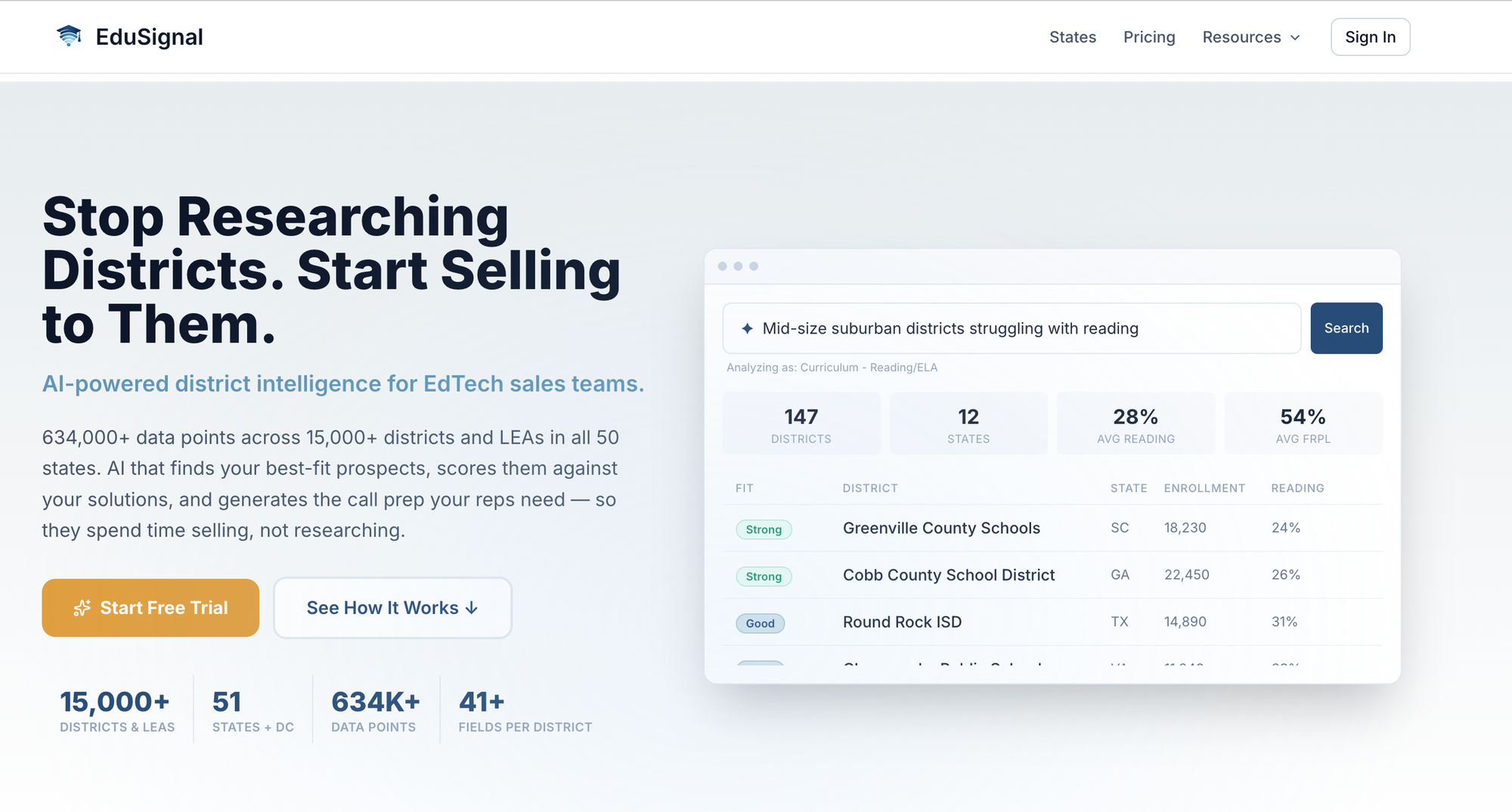
I then wanted to see how far I could push Claude Code and my own narrow technical skills, so I built a fully-native macOS app called Glidespan, kind of a “TweetDeck for Bluesky” solution that actually works pretty well. It's something I use myself every day, and feel proud to offer to others.
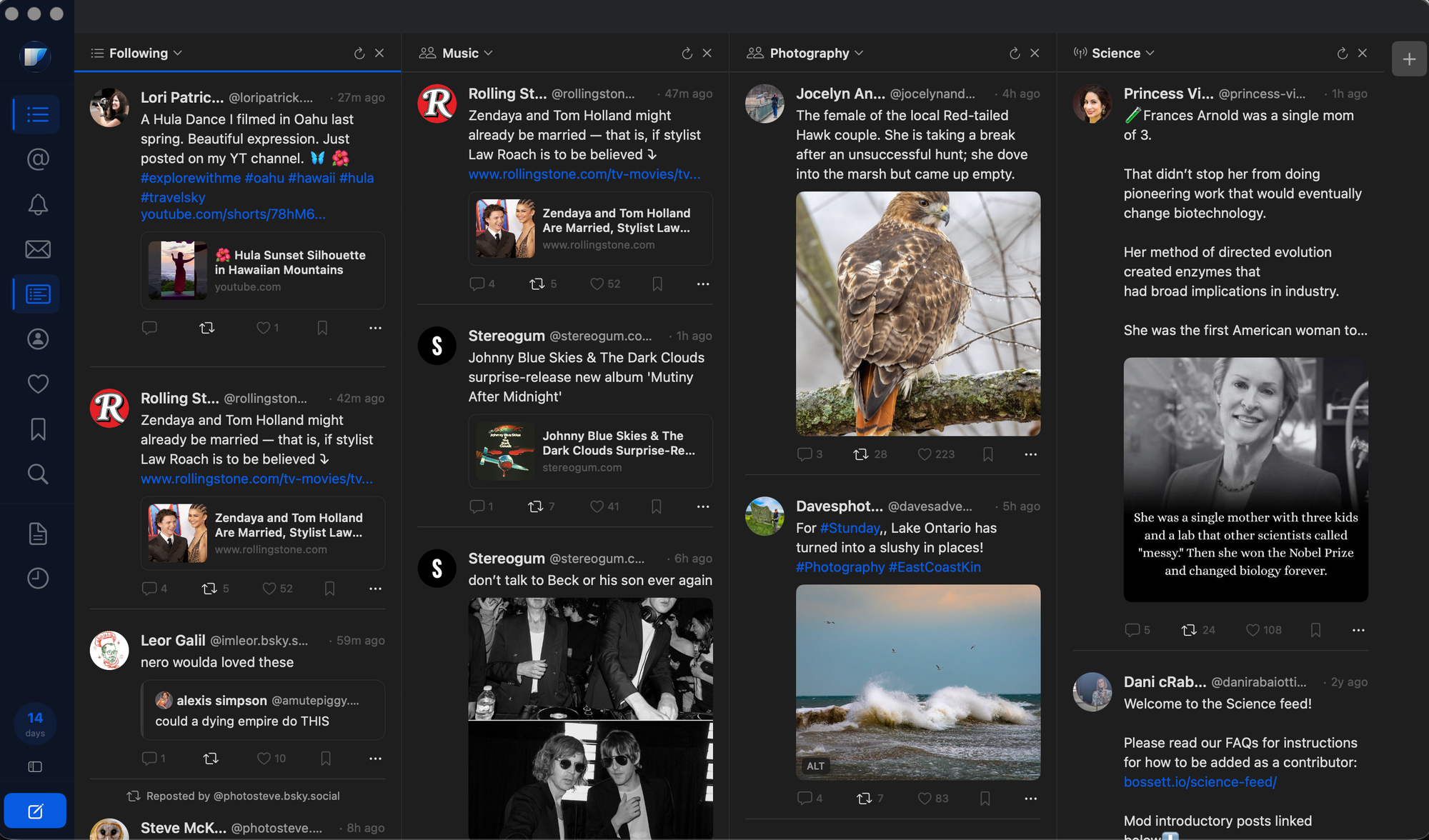
In both cases I used Claude AI as an ideation partner, Claude Code for the heavy development lifting. In both cases I was able to go from loosely defined idea to functional MVP is just days. It was absolutely the “first 90%” AI magic in action, and honestly I was floored.
And in both both cases I could have said "yep, good enough" and shipped them.
But reality quickly set in when I decided to properly tackle the last 10%. To get from MVP to shippable, customer-ready product, was the hard work where my own judgement, expertise, and research had to do the heavy lifting. In both examples those magical, functional, AI-created MVPs that took just days to spin up morphed into months of human-driven deep work to get these apps across the finish line with quality, polish, and functionality that reflect my brand in a way I could be proud of.
It’s a story I suspect anyone using AI, who is committed to not churning out slop, can relate to at some level.
What this Means for How Your Run a Marketing Function
If the 90/10 split is real, and from my experience it very much is, and if the last mile is where real value gets created, it has pretty direct implications for how marketing leaders should be build and run their teams.
Reorient processes around the split. Stop planning AI-assisted work as if it's linear. It's fast then sometimes really, really slow. Your timelines, briefs, and resourcing should reflect that. The old mental model of "time to first draft" is almost meaningless now. What once took days or weeks can now be measured in minutes. The number that matters now is time from first draft to customer-ready, shippable work, and that number is where your bottleneck now lives.
Hire for the 10%. Genuine marketing expertise, taste, judgment, brand instinct, and customer/market fluency are arguably more important than ever in this new world of AI-everything. This is where the value in your team is concentrating, and the concentration is only going to get more pronounced. The marketers who can take a 90% AI output and turn it into something that nails your brand and creates real (positive) customer response are going to be the most valuable marketers of the next decade. Find them, pay them well, protect their time.
But also hire for the 90%. This is the part I think that a lot of teams are getting wrong in the other direction. You still need people who can run the first-90% engine well, otherwise you'll still end up with AI slop or AI chaos. It's where a lot of cost-driven efficiency is being concentrated, but I worry teams are going too far.
Strong AI fluency, good prompting instincts, project management skillsets, solid foundational marketing skills, these are all just as important as ever. Without them, your best people end up losing themselves in the first 90% and not have time to get to the last mile, which defeats the whole point.
Avoid the temptation of slop: Do not ship the 90%. The temptation is real, especially when the 90% looks pretty good, the calendar is tight, everyone is overwhelmed, and the CEO is pushing for AI productivity gains. Resist this. The uncanny-valley reputation for your brand is a hard hole to climb out of once you're in it, and every piece of almost-right-but-something-is-off content you publish moves you a little closer to the edge.
The Work Didn't Go Away; It Simply Moved
This is what I think is getting missed in many conversations I'm joining about AI-fueled productivity gains in marketing. Yes, the first 90% got vastly faster, thanks to new AI capabilities, tools, and platforms. But with that, the last 10%, which is an inherently human domain, has become even more important and in some ways even more time consuming than before as your best employees struggle to turn the vast wave of "90%" work into work your brand can be proud of.
The marketing teams that will win the next few years aren't going to be the ones generating the most 90% outputs. That is the road to slop, brand degredation, and loss of customer trust. The best marketing teams will be the ones that embrace AI productivity but understand the importance of the last 10%, staff for it deliberately, reorient their processes around it and have the discipline to finish the work before putting it in front of a customer.
Getting to 90% is cheaper and faster than ever. The real challenge is sorting how to capitalize on that while recognizing that the 10% is non-negotiable.